
When Customer Experience Is Your Go-To-Market Strategy with Maria Javier of Toasty Polvo
LISTEN ON: APPLE | SPOTIFY
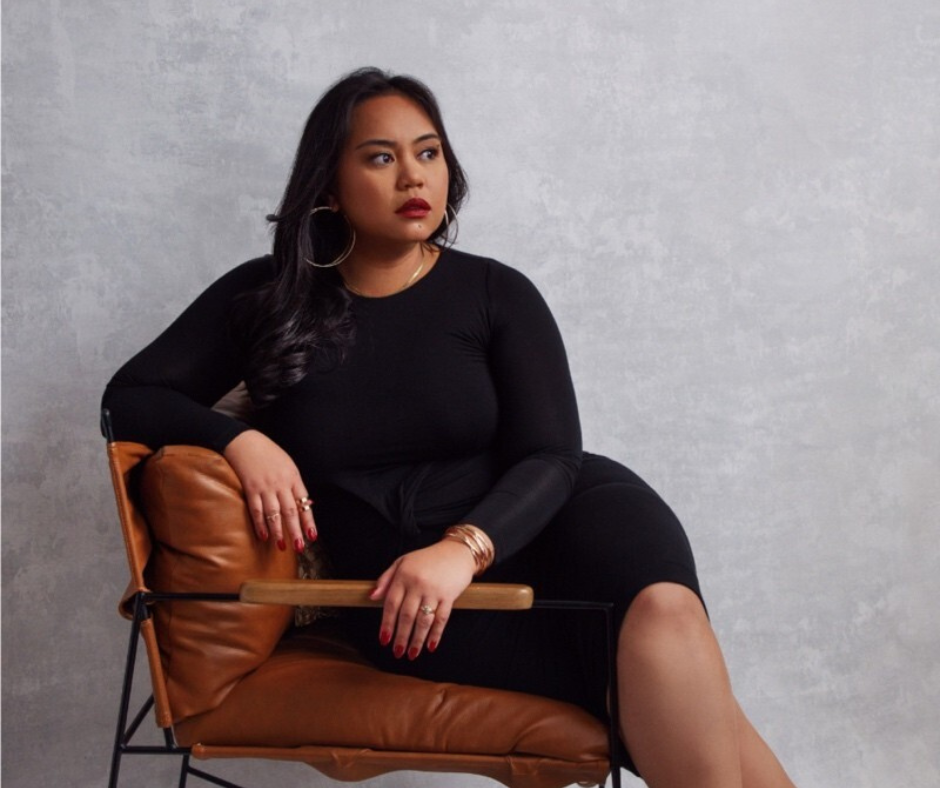
Maria "MJ" Javier spent 15 years in local government and nonprofit before making the leap into CPG. She came through the Food Business Bootcamp® Startup Accelerator in March 2025 and launched Toasty Polvo at the Summer Fancy Food Show that summer.
Toasty Polvo is a Filipino shortbread, a brown butter bite that is like biscotti but softer, with a melt-away texture that pairs perfectly with coffee and tea. What started as a retail play quickly evolved into something more intentional: a food service strategy built around letting customers experience the product first.
In this episode, MJ talks about following the data, finding her North Star, and why the question is not where you can sell your product but where it makes the most sense to be experienced.
Subscribe to the Food Means Business Podcast with Hudson Kitchen founder Djenaba Johnson-Jones to hear the personal stories and "secret ingredients" of abandoning your day job and starting a CPG food business.
Tune in to hear...
How she launched at the Summer Fancy Food Show with no prior CPG experience
Why she shifted from retail to food service and what the data told her
How she thinks about saying yes to opportunities and what her decision matrix looks like
The private label partnerships she has built with cafes and what that means for production
Why she believes food service is an easier entry point for products that need to be experienced, not explained
To get more Food Business Bites right in your inbox, sign up for our newsletter at thehudsonkitchen.com.
About Maria Javier
Maria "MJ" Javier is the founder of Toasty Polvo, a Filipino shortbread brand based in New York. After 15 years in local government and nonprofit, she made the leap into CPG and launched Toasty Polvo at the Summer Fancy Food Show in 2025. She is a Food Business Bootcamp® Startup Accelerator graduate and a Hudson Kitchen member.
Alongside Toasty Polvo, MJ works with leadership teams when organizations are growing, restructuring, or navigating change, helping them identify risk, bring clarity to complex systems, and stabilize operations so leaders can move forward without disruption.
Connect with Maria and Toasty Polvo:
Visit the Toasty Polvo website
Follow Toasty Polvo on Instagram
Connect with Maria on LinkedIn
Stay Connected with Djenaba Johnson-Jones:
Visit Hudson Kitchen
Follow Hudson Kitchen on Instagram
Connect with Djenaba on LinkedIn
-
Djenaba Johnson-Jones (00:01)
Hello, I'm Djenaba Johnson-Jones, founder of Hudson Kitchen and host of the Food Means Business Podcast. Today I'm joined by MJ and she is the founder of Toasty Polvo. Welcome MJ.
Maria Javier (00:14)
Thanks for having me, Djenaba.
Djenaba Johnson-Jones (00:17)
Absolutely, so tell us a little bit about what Toasty Polvo is.
Maria Javier (00:21)
So Toasty Polvo is a brown butter bite, our signature, think biscotti but softer. The cafes that we work with pair us with their espresso drinks. So it's this little delightful bite that comes with your latte.
Djenaba Johnson-Jones (00:37)
Nice. So we met when you took the food business bootcamp, I think it was in March of 25. I think so, right? So a lot has happened since then. like give everyone kind of an overview of like how you started your business and kind of where you are right now.
Maria Javier (00:44)
Yes.
Maria Javier (00:54)
So I got the chance to meet you all last year. We officially launched at the Summer Fancy Food Show in the debut district, which was a whirlwind because of course I didn't know what I didn't know. And I'm coming out of a career in local government and nonprofit. So 15 years in that world sort of making an entry into CPG and the food world.
Djenaba Johnson-Jones (01:09)
you
Maria Javier (01:24)
was quite the culture shock, I would say. And there's a lot of amazing people helping and willing to give great advice and willing to connect you to great people and resources. So it was a bit of information overload. But since then, our first sales really started happening in the summer.
Maria Javier (01:53)
of 2025. And then it's been very fascinating learning like Q3 Q3 and four was basically me observing how people were interacting with the product. coming into 2026, I'm excited to take it to the next level this year.
Djenaba Johnson-Jones (02:11)
Awesome. most people or most businesses want to go kind of into retail. That's a goal to be like a Whole Foods or a ShopRite or something like that. What types of decisions have you made about your sales channels?
Maria Javier (02:24)
Yeah, so the decision, I think, what I thought initially, especially coming out of Summer Fancy Food and coming out of the boot camp, I had assumed Toasty Polvo being that it's a Filipino shortbread that traditionally is gifted during the holidays or special events. I had assumed it would be in retail or specialty grocery, which I think that's just the default founder path.
Maria Javier (02:54)
and so I think that's what I pursued, right? Like I started off in farmers markets, coming out of fancy food, you know, we, we landed in a couple of stores. So it was, it was nice to be able to say like, you know, we've landed in a cheese shop. We've landed, you know, we're still in stores right now. We were in the West village, an Indian sandwich shop, but they pair us with their chai, right? But it's like a high end sandwich shop. and so it's been.
Maria Javier (03:23)
It's been nice to see that it plays well in retail, but then taking a step back and really looking at the numbers and the feedback from our customer base, like we saw that there was something brewing in the experience as the product was being paired with coffee and tea. So that's where the decision started happening in December, leaning toward food service.
Djenaba Johnson-Jones (03:51)
Right, so then what's your experience been with food service so far?
Maria Javier (03:56)
So, again, what's changed, right? So we paid attention. So since we were following the behavior and realized like food service could be a thing, we realized that the product was more experiential because we leaned more on the texture. it's like a melt, I know I mentioned it's like biscotti but softer, but it's very much like a melt away shortbread.
Maria Javier (04:25)
So like when you bite into it, it kind of just like melts in your mouth as you're like sipping your coffee or your tea. And it's a very different mouth feel. And anytime somebody samples it, like the reaction is very consistent across any culture. Like anybody who tries it has the same facial reaction, which is what's been very entertaining between any trade show we've done, any flea market we've done, any in-person pop-up we've done. It's always the same. If I had...
Djenaba Johnson-Jones (04:44)
You
Maria Javier (04:55)
like any video for every time somebody tried it for the first time, it would be like such a cool collage of the same facial reaction. But yeah, because food service, I think we started leaning to that because it's more experiential and it's an easier discovery with lower commitment. We're not asking folks to like buy the whole pack of it.
Djenaba Johnson-Jones (04:57)
Yeah
Djenaba Johnson-Jones (05:02)
Yeah.
Maria Javier (05:22)
And it functions more as a pairing instead of a standalone snack. Because if you think about it, retail asks people to understand the product first, whereas food service asks, I mean, food service lets them experience the product first because they're pairing it with something they already know.
Djenaba Johnson-Jones (05:40)
That makes total sense. So do you think there's ever a world in which you would think about going into more retail locations or is the focus solely on food service?
Maria Javier (05:52)
Yeah, it's not that I'm intentionally, like I'm not fully pivoting away from retail. I think I'm choosing food service because it lets people experience the product in the way it was meant to be experienced.
Djenaba Johnson-Jones (06:07)
That makes total sense. So how does that decision to kind of focus on food service right now kind of change how you operate from day to day in your business?
Maria Javier (06:20)
think it's changed. It's definitely changed how we're thinking about packaging. So that's, well, we're definitely, slowing down our path to scaling. and we're sort of reframing our perception that like retail automatically equals success, right? Because for us, it's like more comp, it's more complex.
Djenaba Johnson-Jones (06:37)
Mm-hmm.
Maria Javier (06:49)
less standardized operations because we're trying to think about like, what does a bigger order mean? What do relationships mean in terms of accounts? And then how it's changed the business. Of course, I just mentioned packaging because we're shifting from bulk, we're shifting from retail, which is like our 10 pack. We do 10, 20 packs to bulk and cafe friendly formats because now coming out of Coffee Fest, let's say in February.
Djenaba Johnson-Jones (07:03)
Mm-hmm.
Maria Javier (07:19)
Our March, when was that? Cafes want to pair us with their coffees, so they're doling out one or two pieces with the coffee. So it's not like we have to think about the actual retail packaging of it because they don't need to necessarily be wrapped. We also have private label flavors with certain cafes. For example, there's a cafe in the Catskills where they only carry a hojucha flavor.
Djenaba Johnson-Jones (07:20)
Mm-hmm.
Djenaba Johnson-Jones (07:36)
All right.
Maria Javier (07:48)
of ours, that we don't sell anywhere else. So we also have to think about production aligned with partner needs. our sales have become more relationship-based. And our focus has then shifted to how the product is used in context. So I think a lot about how someone experiences our product, especially when they're pairing it with something.
Djenaba Johnson-Jones (08:14)
Got it, that makes sense. So it's been, I guess, a little over a year since you actually launched your business. What have you learned just so far?
Maria Javier (08:23)
I think I've learned that I like if your product needs explanation, retail is really expensive. But if it creates a moment, like food service could actually be a great entry point.
Djenaba Johnson-Jones (08:37)
Mm-mm.
Djenaba Johnson-Jones (08:47)
Yeah, that's really cool. And what's been, I guess, easier than you thought it would be and what's been harder than you thought it would be?
Maria Javier (08:53)
my gosh, EASY has been getting people to try it because people are very curious. They don't quite know what it is, so they'll try it, right? And then it's been so easy to get immediate feedback, so I've been so appreciative of the, this reminds me of this, this reminds, you should pair it with this, you should consider this. And it's felt like a low barrier to entry because it's...
Maria Javier (09:24)
a familiar taste, but a new kind of texture almost for folks. And then in terms of things that have been harder, the consistency in scaling and then managing multiple small partners and sort of finding out where we actually fit. just because there's an opportunity, finding the way to...
Maria Javier (09:57)
Fight forum. How do I say this?
Maria Javier (10:03)
making sure that when we are saying yes, it is actually aligned to our goals as a business. Just because there's an opportunity and it could be a wonderful opportunity. We have to take the full picture into account. So managing multiple small partners and opportunities has been hard in terms of assessing the priorities and production timelines and all that.
Djenaba Johnson-Jones (10:32)
Yeah. Yeah.
Maria Javier (10:33)
And then of course the hardest part is educating a new audience and partners on what the product is and how they could be using the product.
Djenaba Johnson-Jones (10:43)
You mentioned kind of assessing opportunities. What kind of questions do you ask yourself when you're thinking about taking advantage? Because you're right, there's some great opportunities out there, but they might not always be a fit for you and your business. How do you look at making those decisions?
Maria Javier (10:58)
Yeah, I think I match it up to sort of my North Star of where I want to be, which to be very honest, I don't think I could say I had a North Star until maybe six, wait, if we fully launch in July, August, September, October, November, December. So maybe six to nine months in, the North Star suddenly started materializing.
Maria Javier (11:28)
So now like our target is, know, cafe and boutique hotels, right? And, gifting is, like the clear North star for us now. And anything that, you know, aligns with that is, is an easy yes. Right. anything, a great opportunity that could, you know, come our way, that's maybe like a flea market pop up or a collaborative event with influencers that, know, we would have to like take it to the team.
Maria Javier (11:58)
sit with it and run through our matrix, Say, what's the opportunity here? How much is this going to cost us? What does production look like? How many people? And run through all those different layers to see whether we would even want to say yes to this opportunity. Because if we said yes to something that doesn't align to our North Star, then it actually takes us far.
Djenaba Johnson-Jones (12:04)
Mm-hmm.
Maria Javier (12:27)
it takes us 10 steps back.
Djenaba Johnson-Jones (12:29)
Yeah, that's really great that you've been able to kind of be clear about what the North Star is and kind of make decisions around that. It's so hard sometimes because I know I'm guilty of having like shiny objects in general. Somebody will mention something like, that sounds great. And I'll go, you know, go over there and try to figure out how I can do it. And it's taken me a lot more time to go like, no, this is kind of where we're focused for Hudson Kitchen. So congrats to you on being able to make those decisions. You've talked about
Djenaba Johnson-Jones (12:55)
team a little bit. you talk about who's supporting you, whether formally or informally with the business?
Maria Javier (13:00)
Yeah, I definitely have an awesome set of mentors and advisors. You and Liz are amazing. Like are included in this is in my personal board of advisors is sort of, you know, it's formal and informal, like an informal set. Right. I think I look to folks in the industry that have actually done the work and are in like
Djenaba Johnson-Jones (13:09)
thanks.
Maria Javier (13:25)
day to day doing the work, right? Hudson Kitchen being like my home kitchen, is my commercial kitchen. I'm a member, right? And the programming and the resources of Hudson Kitchen has really like helped me center like what is and what isn't in the industry and sort of is a nice anchor point for me to just, you know, like what works for, I am able to suss out what works for my business and what maybe not.
Maria Javier (13:55)
you know, maybe I'm too small for this thing or, you or not. but it's a good starting point. And then even just in the networking events being, having the option to be in the same room as buyers and learning from other founders has been such a value add of being a member. Like, that's been, that's been helpful. And then other, like other founders, for example, like I think I see.
Maria Javier (14:24)
like Rachel from Yays as like a mentor, right? Josh from Poppiskaster has been like a mentor. He's one of the ones that have like talked me through like food service. Like is one of the reasons, right? Thinking through food service. I'm also in Ali Ball's program, right? I worked with her team from Thanksgiving to the end of this year. I'm still in the program, like part of, know, so that I can like.
Djenaba Johnson-Jones (14:26)
Mm-hmm.
Maria Javier (14:53)
see their online formats, just to check in. Because as I think about outreach to buyers, how am I framing it? And then being able to sit with her team and actually center myself in the numbers and what actually sold in Q4 is what really showed me my audience, my consumer base is actually experienced and they want luxury and experience.
Djenaba Johnson-Jones (15:02)
Right.
Maria Javier (15:22)
Right? It's not just they want cookies. It's not just they want gifting, right? And so everything coming into 2026 has formed around like, here's my vision for this product. And here are the things that I want to accomplish this year for this product versus I'm a new founder, you please help me. And then I get taken every which way, which is kind of how I felt last year, because again, I was new and
Djenaba Johnson-Jones (15:45)
Right.
Maria Javier (15:51)
I didn't know what I didn't know. So I feel way more grounded and anchored because of my board of advice, like my personal board of advisors, whether I've paid for the program, I've paid for the network, or I've encountered them. So for example, there's Benita Caspo of, what's it called? She does Syrian cheese, right? Like she helps, like she's the, I text her.
Djenaba Johnson-Jones (15:57)
Mm-hmm.
Djenaba Johnson-Jones (16:13)
yeah.
Djenaba Johnson-Jones (16:19)
Yeah.
Maria Javier (16:19)
when I'm having an issue in the kitchen or like, you know, I found this resource or something, right? Like there are so many people that I've encountered and especially like, for example, there are also within the culture. So Toasty Polvo is a Filipino shortbread, right? I did not expect the incredible support and the incredible just like scope.
Maria Javier (16:49)
of Filipino business owners that have accepted us with open arms and just amplify. The way business owners just amplify each other is small business owners just amplify and hype each other up in a way that I have never seen. And I actually didn't know about this world before stepping into it. networks like BIPOC, CPG, what's it called? Project Potluck.
Djenaba Johnson-Jones (17:10)
Yeah.
Maria Javier (17:18)
Like all these networks have been so incredible to like be a part of and learn from.
Djenaba Johnson-Jones (17:24)
awesome. So if you had a piece of advice to give to someone that was just starting out, would you say?
Maria Javier (17:32)
I think don't ask where you can sell it. Ask where it makes the most sense to be experienced.
Djenaba Johnson-Jones (17:44)
Okay, say a little bit more about that.
Maria Javier (17:47)
Because I think it's, I think folks like, for example, Toasty Polvo, right? I think initially they're like, one day this could be in whole foods, right? And I'm like, but you can't actually experience it if it's in whole foods, right? Like, yes, it's natural ingredients. have no preservatives in it. But I feel like it's not something.
Maria Javier (18:16)
Like I feel like it loses its magic if it's just packed on the shelf. And I think that's why I'm leaning more to, I think about Toasty Polvo as part of the cafes because it immediately goes with the coffee. I think of it as the snack you get on the airplane with your coffee, right? Like the individual, as instead of.
Maria Javier (18:43)
as an option, as an alternative to the Biscoff cookie. You get like a little jar of Toasty Polvo to go with that. But that's sort of why I'm like, I would challenge folks to take a step back and let yourself imagine where your product could be outside of the shelf. What kinds of shelves are there?
Djenaba Johnson-Jones (18:46)
Yeah. Yeah, yeah.
Djenaba Johnson-Jones (19:11)
That's great. That makes total sense. So at Hudson Kitchen, we have a tradition where we ring a bell when we're celebrating something. So I'm wondering, what are you celebrating right now?
Maria Javier (19:21)
Djenaba, you're gonna be so happy about that. As of last night, we have cracked the code. I am wondering the money bell because we have now figured out how to go from 60 day shelf life to nine month shelf life, which unlocks so much potential.
Djenaba Johnson-Jones (19:24)
Okay.
Djenaba Johnson-Jones (19:41)
yay! Very exciting. Yes. Yes. That's amazing. Amazing. Congratulations. I love that. So MJ, let everyone know where they can find out all about you.
Maria Javier (19:54)
Thank you.
Maria Javier (20:00)
We are at toastypolvo.com and please follow our journey on toastypolvo on Instagram. Yeah, thank you. And, sorry. And if you run a cafe or hospitality space, please let's talk.
Djenaba Johnson-Jones (20:09)
Thank you.